
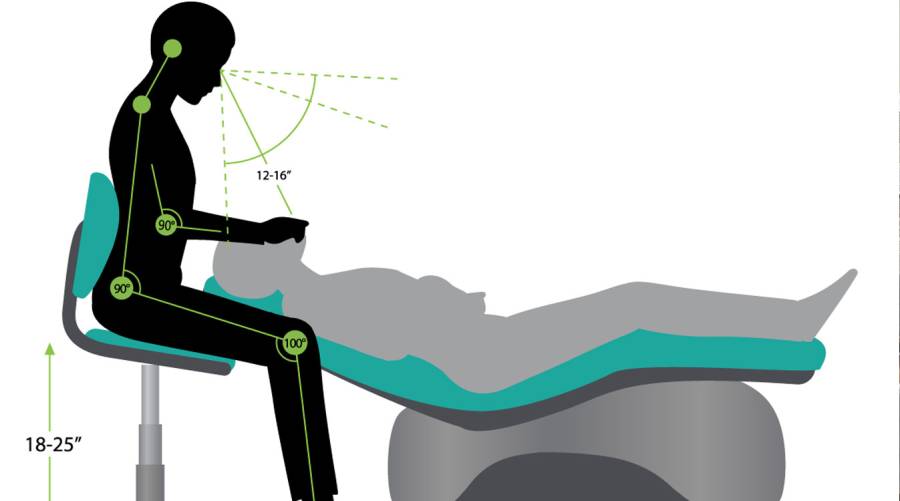
Dental professionals frequently experience hand fatigue and musculoskeletal disorders (MSDs) due to repetitive hand movements and prolonged static postures. These issues can lead to conditions such as carpal tunnel syndrome, tendinitis, and chronic hand pain, potentially resulting in decreased productivity or early retirement. Implementing ergonomic practices, including the use of ergonomically designed gloves, can significantly mitigate these risks.
The Impact of Ergonomics on Hand Health
Ergonomics focuses on designing workspaces and tools that fit the user's needs, thereby reducing strain and enhancing efficiency. In dentistry, the selection of gloves plays a crucial role in hand health. Gloves that are too thick, rigid, or poorly fitting can increase muscle exertion, leading to hand fatigue and increasing the risk of MSDs. Conversely, gloves designed with ergonomic principles promote a natural range of motion and reduce muscle strain.
Choosing Ergonomic Gloves
When selecting gloves, dental professionals should consider factors such as material flexibility, fit, and tactile sensitivity. Gloves that are thin yet durable, with a comfortable fit, allow for better dexterity and reduce the effort required for tasks. Some gloves are certified by ergonomic standards, indicating they have been tested to minimize the risk factors associated with MSDs.
Integrating Ergonomics into Daily Practice
Beyond glove selection, dental practitioners can adopt several ergonomic strategies to protect their hand health:
- Posture Awareness: Maintain neutral wrist positions and avoid excessive bending or twisting during procedures.
- Instrument Selection: Use lightweight instruments with larger diameters to reduce grip force.
- Regular Breaks and Stretching: Incorporate short breaks and hand stretches between patients to alleviate muscle tension.
- Workspace Organization: Arrange tools and equipment within easy reach to minimize awkward movements.
By embracing ergonomic practices, dental professionals can enhance comfort, reduce the risk of injury, and extend the longevity of their careers.