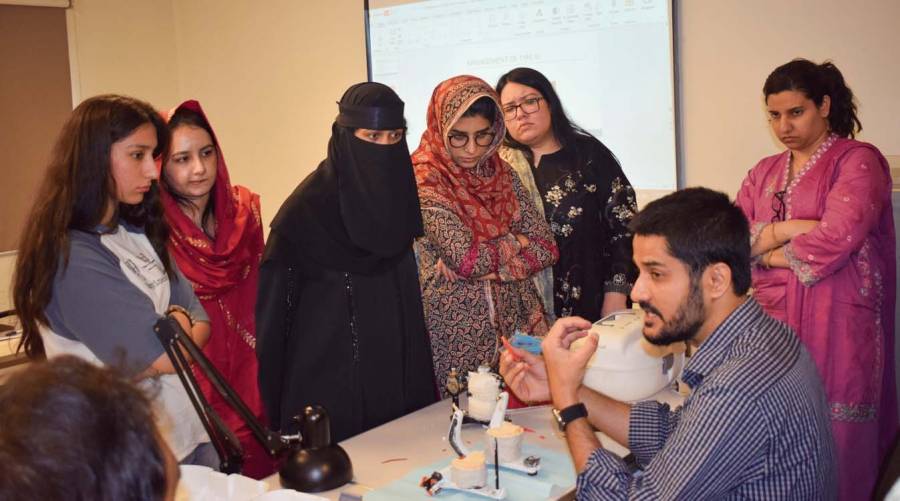
LAHORE: Occlusion, temporomandibular joint (TMJ) dysfunction and splint therapy came under detailed academic focus at the Institute of Advanced Dental Sciences & Research (IADSR) as part of its continuing dental education activities aimed at strengthening clinical understanding and evidence-based decision-making in everyday dental practice.
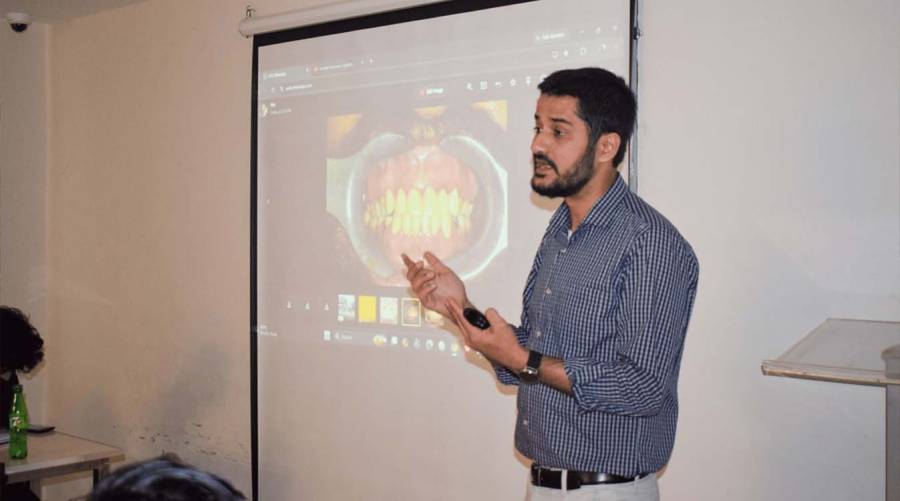
The interactive session was facilitated by Dr Hamza Sahaf and focused on the assessment, diagnosis and treatment-planning considerations that underpin the clinical management of occlusal and temporomandibular joint-related concerns.
Participants of the Postgraduate Diploma in Advanced General Dentistry examined how foundational concepts in occlusion and TMJ function can be translated into practical clinical application, with particular attention to the appropriate use of occlusal splints.
Occlusion assessment forms the clinical foundation
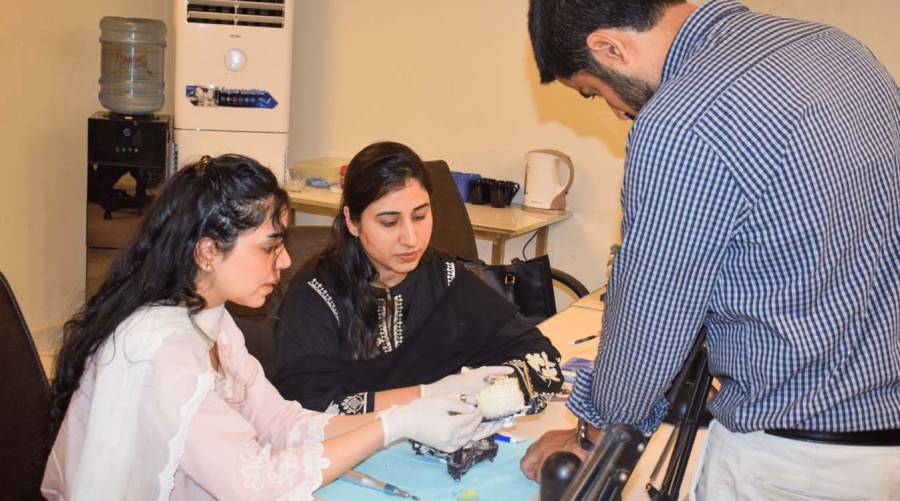
The session explored the fundamentals of occlusal assessment, highlighting the importance of systematic clinical evaluation when assessing occlusal relationships and their relevance to diagnosis and treatment planning.
Rather than treating occlusion as an isolated theoretical subject, the discussion connected occlusal principles with broader clinical decision-making, particularly in cases where functional or parafunctional factors may influence patient management.
This approach reinforced the importance of understanding the clinical context before determining an appropriate treatment strategy.
TMJ dysfunction brings functional assessment into focus
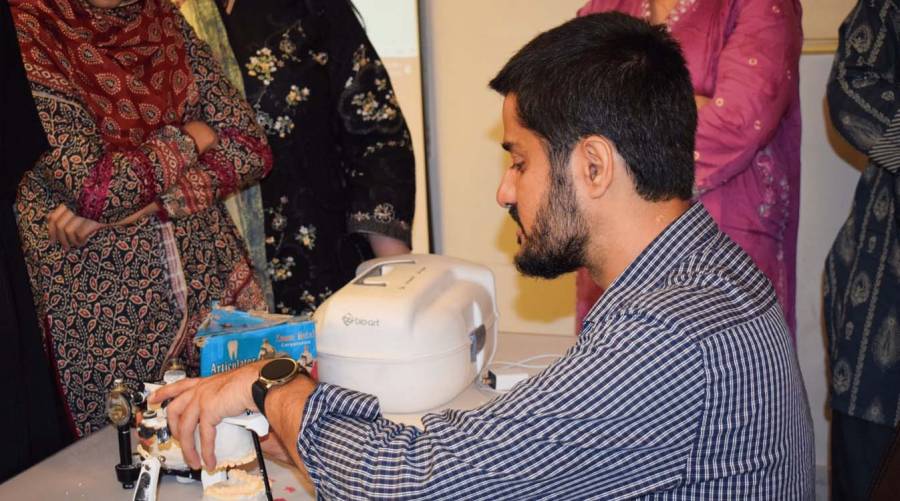
Temporomandibular joint dysfunction was another major area addressed during the session.
Participants reviewed clinical considerations involved in evaluating TMJ-related concerns, with emphasis on diagnosis and clinical assessment.
The discussion linked TMJ evaluation with occlusal considerations, providing a broader perspective on the functional relationships that may need to be considered when developing an appropriate treatment plan.
Such an integrated understanding is particularly relevant to dentists dealing with patients whose symptoms or clinical findings involve occlusal, functional and parafunctional factors.
Splint therapy moves from indication to application
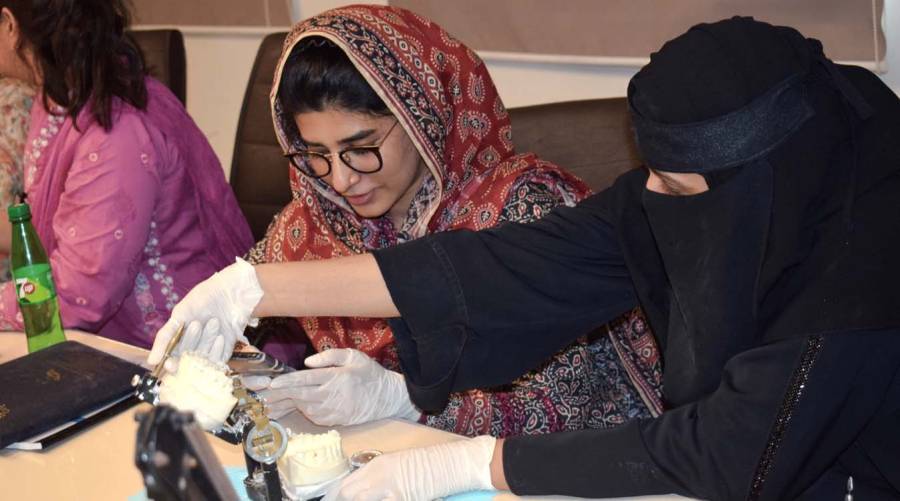
The session also placed significant emphasis on occlusal splint therapy, including its indications, design principles and clinical application.
Participants reviewed the role of occlusal splints in the management of functional and parafunctional disorders, while examining the principles that guide their appropriate use.
The focus on indications and design was particularly important because effective splint therapy involves more than appliance selection. Proper clinical evaluation, diagnosis and treatment planning are essential to determining when and how an occlusal splint should be incorporated into patient management.
Connecting postgraduate learning with clinical practice
A central objective of the session was to help participants translate core concepts into practical, evidence-based application.
The interactive format allowed foundational knowledge in occlusion, TMJ dysfunction and splint therapy to be considered in the context of everyday dental practice, reinforcing the connection between academic learning and clinical decision-making.
For postgraduate dental professionals, this connection is particularly important in areas where diagnosis, functional assessment and treatment planning must work together rather than being considered as separate clinical steps.
Continuing dental education with a clinical focus
The session reflects the broader importance of continuing dental education in strengthening clinicians’ knowledge and maintaining a clinically informed approach to patient care.
By bringing occlusion, TMJ assessment and splint therapy together, the academic activity addressed closely related areas of dentistry that can influence the evaluation and management of functional and parafunctional disorders.
The programme ultimately aimed to strengthen participants’ clinical understanding and equip them to apply these concepts more effectively and appropriately in routine dental practice.
Stay connected with Dental News Pakistan
CLICK HERE TO FOLLOW the official Dental News Pakistan WhatsApp Channel for the latest PMDC updates, dental education news, clinical innovations, research, professional events and developments affecting Pakistan's dental community.