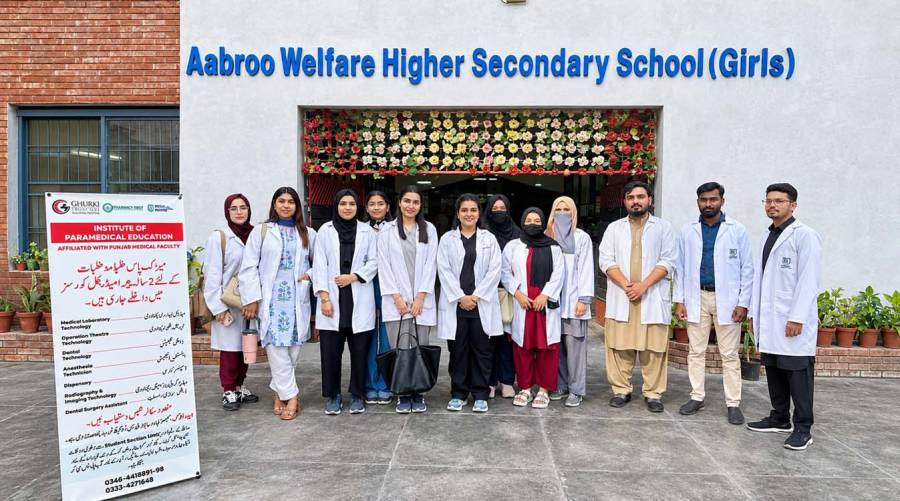
LAHORE: More than 1,400 people, including 400 orphans, received medical and dental screening during a large-scale community health camp organised by Lahore Medical & Dental College (LMDC), bringing doctors, dental professionals, medical students and paramedical trainees together to deliver free healthcare services to underserved communities.
Organised by the LMDC Health Awareness Society (HAS) at Abroo Welfare Trust, the initiative screened 1,436 individuals, including local schoolchildren, 400 Peace Home orphans and staff members.

The second Medical & Dental Camp also marked an important development in LMDC's community outreach programme, with paramedical students formally integrated into the camp team for the first time.
Their inclusion brought a new dimension to the initiative, demonstrating how effective community healthcare relies not only on doctors and dentists but also on the coordination, communication and clinical support provided by other healthcare professionals.
Beyond free screening and consultations, the camp provided medicines and dental hygiene kits, incorporated a research component and raised more than PKR 100,000 to support medical investigations and follow-up care for individuals requiring further attention.
1,436 screened as medical, dental teams join forces

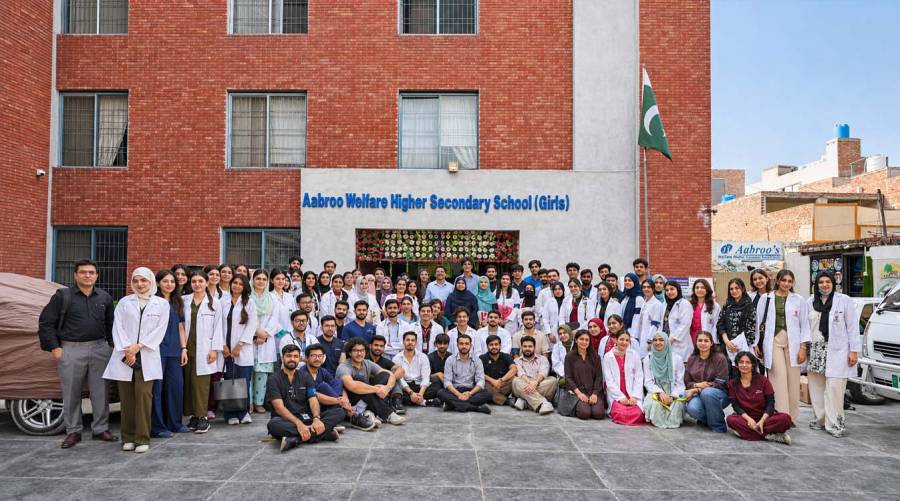
The camp brought together 50 student volunteers, 10 dental paramedics and 20 doctors representing Dentistry, Dermatology, Ear, Nose and Throat (ENT), Paediatrics and General Medicine.
This combination of specialties allowed the team to address a broad range of medical and oral health concerns through a single coordinated outreach initiative.
For community members who may face difficulties accessing routine healthcare, the availability of different medical disciplines at one location provided an opportunity to seek professional advice and undergo basic health assessments without consultation charges.
The inclusion of dental professionals alongside physicians also placed oral healthcare within a broader preventive health initiative, rather than treating it as an entirely separate service.
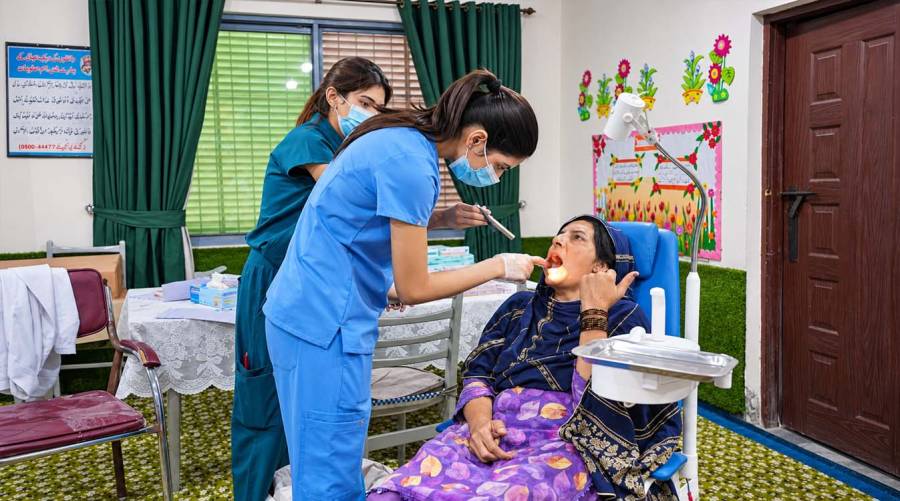
Participants received free medical and dental consultations, medicines and dental hygiene kits, supporting immediate healthcare needs while encouraging better preventive health practices.
The camp's reach extended across local schoolchildren, the children of Peace Home and staff members, bringing healthcare services to groups with differing medical and dental needs.
However, the organisers' efforts were not limited to the number of individuals examined. Recognising that some patients could require further investigations or continued treatment, the initiative also established financial support for care beyond the camp itself.
Why the inclusion of paramedical students matters

A defining feature of this year's initiative was the formal participation of paramedical students alongside MBBS and BDS students and practising healthcare professionals.
Rather than limiting their involvement to observation, the camp incorporated paramedical trainees into its operational and clinical support activities.
Their responsibilities included coordinating patients, assisting with patient transfers, supporting healthcare professionals during clinical activities and helping conduct basic health assessments.
These assessments included body mass index (BMI) and other anthropometric measurements, which form part of routine evaluations of physical health and nutritional status.
The paramedical team's participation also helped facilitate patient movement through different service areas, contributing to the organisation of a camp serving more than 1,400 people.
The experience highlighted an often less visible but essential aspect of healthcare delivery: the role played by trained support personnel in ensuring that patients reach the appropriate clinical teams and receive organised care.
For the students themselves, the camp created an opportunity to understand healthcare delivery as a coordinated process involving several professional disciplines.
Working with medical and dental students, doctors and other healthcare personnel exposed them to the complementary responsibilities of different members of a clinical team.
This practical interaction is particularly relevant to healthcare education, where students may spend much of their academic training within their own disciplines but later enter workplaces that depend heavily on interprofessional cooperation.
By integrating paramedical students into a community outreach setting, LMDC provided a practical example of how multidisciplinary training can connect classroom learning with real patient-care environments.
Free consultations, medicines and dental hygiene support
Community healthcare camps can provide an entry point to medical and dental services for people who might otherwise delay preventive check-ups or assessments.
At Abroo Welfare Trust, the medical and dental teams offered consultations and screening across multiple specialties, while also providing medicines and dental hygiene kits.
The availability of oral health support was especially relevant to the camp's large population of schoolchildren and orphans, for whom preventive education and access to basic dental services can contribute to longer-term health awareness.
Dental hygiene kits were distributed as part of the initiative's preventive healthcare component, reinforcing the importance of personal oral hygiene beyond the immediate screening activity.
The organisers also recognised that a single-day camp cannot necessarily address every healthcare need identified during screening.
To help support continued care, more than PKR 100,000 was raised for follow-up treatment and medical investigations.
The funding was intended to assist individuals requiring additional healthcare attention after the camp.
This follow-up provision was an important element of the initiative, extending its intended impact beyond the consultations and assessments conducted on October 20.
Research becomes part of community dental outreach
Alongside its healthcare services, the LMDC Health Awareness Society incorporated a research component into the camp.
The initiative reflects HAS's interest in linking community outreach with research and evidence-based dental public health practices.
Community screening activities can provide opportunities to better understand local health needs, identify recurring concerns and inform the planning of future preventive healthcare programmes.
By integrating research into the outreach setting, the organisers sought to connect the immediate provision of services with a broader understanding of the communities being served.
The approach also has educational value for participating students, allowing them to observe how clinical assessments, community health needs and research-informed practice relate to one another.
For dental students in particular, exposure to community-based healthcare can strengthen appreciation of the preventive and public health dimensions of dentistry.
The information released about the camp does not specify the research methodology, data collected or findings, and no formal research conclusions have been announced.
Nevertheless, incorporating a research component alongside screening and preventive services illustrates the potential for outreach programmes to contribute to both healthcare education and the development of evidence-informed community initiatives.
The people behind LMDC's community healthcare initiative
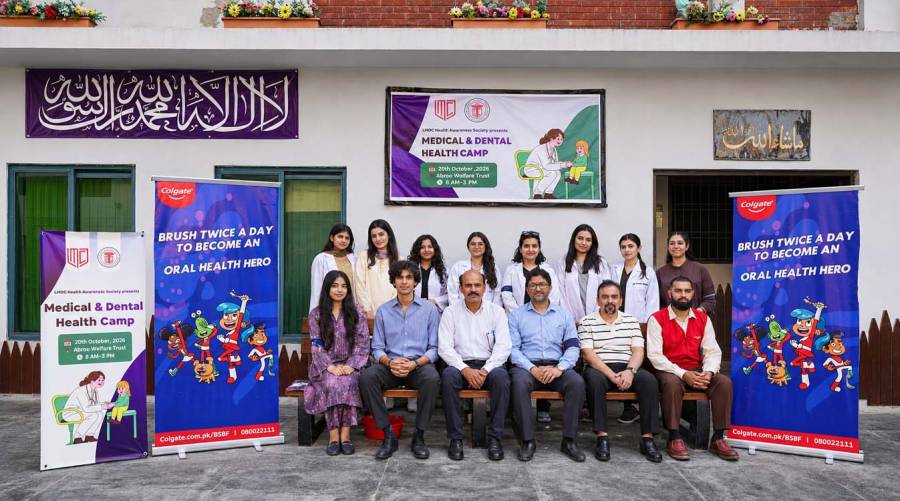
The second Medical & Dental Camp was conducted with the support and guidance of Dr Humayun Mirza and Dr Khurram Nadeem, acknowledged by the organisers as the initiative's patrons and faculty leaders.
Their involvement supported the multidisciplinary effort, which required coordination across students, healthcare professionals and participating specialties.
Special recognition was given to the camp's team leads: Dr Zara Ibrar, Hania Batool, Muzzamil Jawad Khan, Dr Roshan Razwan and Rahma Aftab.
The organisers acknowledged their contributions to planning, coordination and the delivery of the initiative.
The camp also received support from Colgate, Platinum Pharma and Veric Pharma, which were recognised as sponsors of the outreach programme.
The combined contributions of faculty leaders, student volunteers, paramedical personnel, medical professionals and sponsors helped make the large-scale initiative possible.
Building a more collaborative healthcare workforce
The LMDC initiative demonstrated two interconnected aspects of community healthcare: improving access to essential services and preparing future healthcare professionals to work effectively across disciplines.
For the 1,436 individuals screened, the camp offered access to medical and dental assessments, consultations and preventive healthcare support.
For the participating students, it provided practical experience in patient interaction, clinical coordination and collaborative service delivery.
The inclusion of paramedical students was particularly significant because it gave formal recognition to their role within a healthcare team and created opportunities for interprofessional learning.
The research component and funding for follow-up care added further depth to the programme, linking the immediate benefits of a community camp with longer-term healthcare needs.
While the actual long-term outcomes of the initiative will depend on follow-up services and subsequent work, the camp illustrated how medical colleges can use community outreach to combine practical education, preventive healthcare and social responsibility.
By bringing MBBS, BDS and paramedical students together in a shared healthcare setting, LMDC's second Medical & Dental Camp offered a model of collaborative learning in which students from different disciplines worked towards a common goal: making healthcare more accessible to the people who need it.
Stay connected with Dental News Pakistan
CLICK HERE TO FOLLOW Dental News Pakistan on WhatsApp for updates on community dentistry, oral health awareness programmes, dental education, clinical research, student initiatives and developments shaping Pakistan's dental profession.