LAHORE: Planning an aesthetic dental treatment involves much more than deciding how a smile should look. From assessing tooth proportions and bite alignment to visualising the proposed result, every step requires careful evaluation and sound clinical judgment.
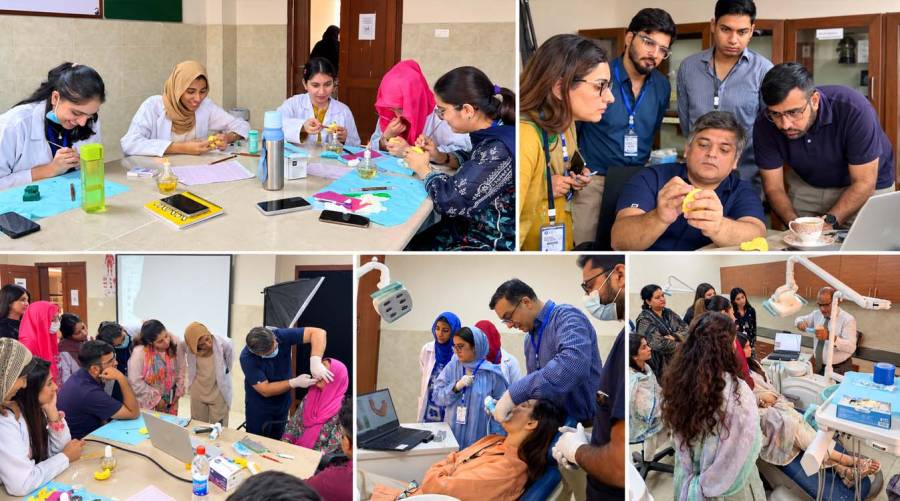
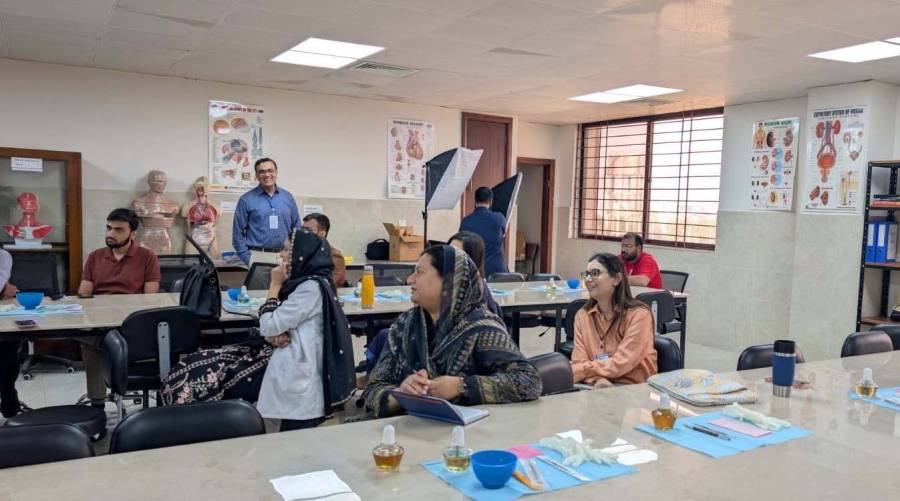
These considerations were at the heart of a two-day hands-on workshop on aesthetic dentistry and smile design hosted by Fatima Jinnah Institute of Dental Sciences (FJIDS).
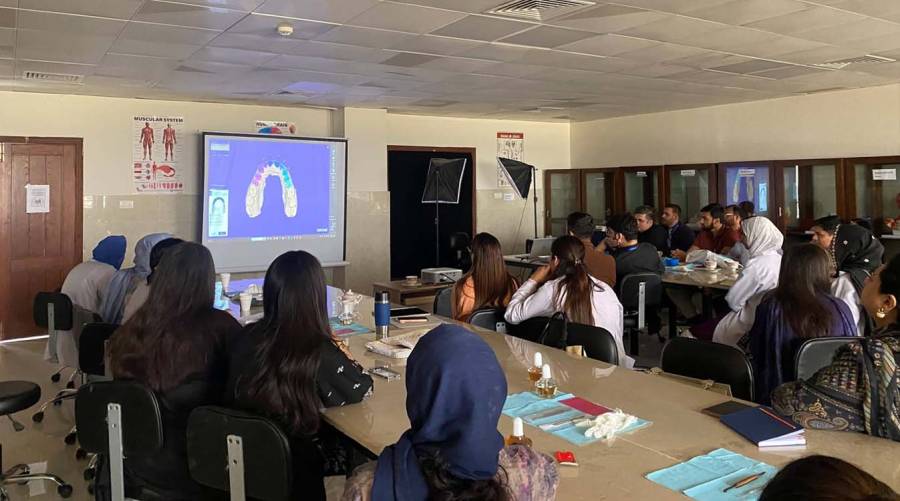
The workshop combined clinical concepts with practical learning, giving participants an opportunity to explore the techniques used to assess smiles, plan aesthetic changes and visualise potential treatment outcomes before definitive procedures.
Dr Haroon Asghar Ginai shared his expertise during the programme, while Dr Sana Akram, head of the Department of Operative Dentistry, and Dr Ali Altaf, assistant professor, supported the workshop and helped make it an enriching learning experience.
Understanding the details behind a well-planned smile
Aesthetic dentistry is not simply about creating straighter, whiter or more uniform teeth. A successful treatment plan must also take into account the patient's facial features, the proportions of individual teeth, the relationship between the upper and lower teeth, and the functional demands of the bite.
The workshop covered smile analysis and occlusion, two important aspects of this process. Smile analysis helps clinicians assess tooth display, symmetry and proportions, while occlusal assessment examines how the teeth meet and function together.
The programme also included photographic records, which help document the initial condition, support treatment planning and provide a visual reference throughout care.
Together, these techniques help clinicians approach aesthetic treatment with a clearer understanding of the starting point and the changes they are considering.
From wax-ups to digital smile design
Participants also explored wax-ups, mock-ups and digital smile design — techniques that can help turn a proposed treatment plan into something more tangible.
A wax-up allows a proposed tooth shape or arrangement to be modelled in wax. A mock-up can provide a temporary preview of the proposed changes in the patient's mouth, helping both clinician and patient assess the appearance before proceeding with definitive treatment.
Digital smile design adds another dimension by using photographs and digital tools to visualise possible changes and communicate treatment options.
These methods can make discussions about aesthetic expectations more concrete, but they do not replace clinical assessment. The final treatment plan must still account for oral health, function, individual needs and the limitations of the proposed procedures.
By including these techniques in its hands-on programme, FJIDS focused on the practical decisions that connect smile assessment with treatment planning.
Practical learning at the centre of aesthetic dentistry
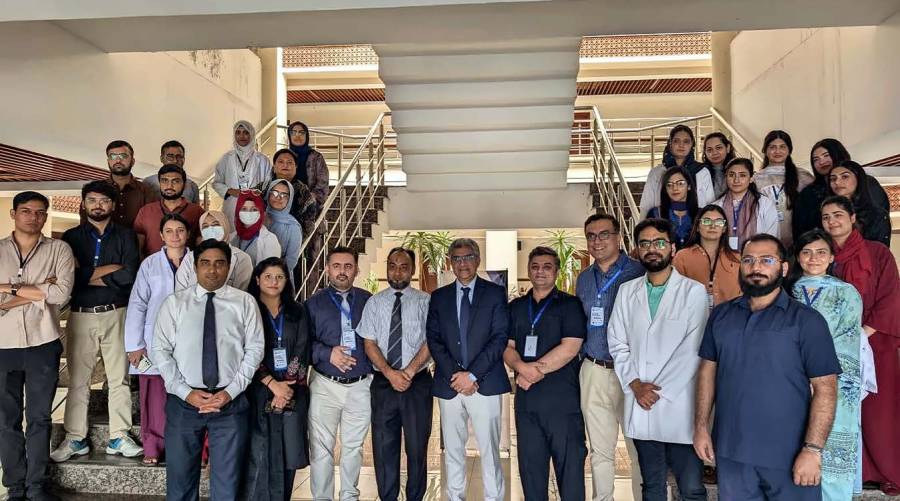
The workshop highlighted the value of combining theoretical knowledge with opportunities to explore clinical techniques in practice. In aesthetic dentistry, understanding a procedure is only one part of the process; knowing how to assess a case, plan the desired outcome and evaluate whether it is clinically appropriate is equally important.
Dr Haroon Asghar Ginai was acknowledged for sharing his expertise, while Dr Sana Akram and Dr Ali Altaf received recognition for their support in organising and delivering the programme.
The two-day workshop offered a focused learning opportunity around the assessment, visualisation and planning skills that underpin aesthetic dental treatment.
For dental professionals, these skills can help support clearer treatment planning and more informed conversations with patients about achievable results, functional considerations and aesthetic expectations.
Stay connected with Dental News Pakistan
CLICK HERE TO FOLLOW Dental News Pakistan on WhatsApp for the latest updates on dental education, clinical training, restorative dentistry and developments shaping the profession.