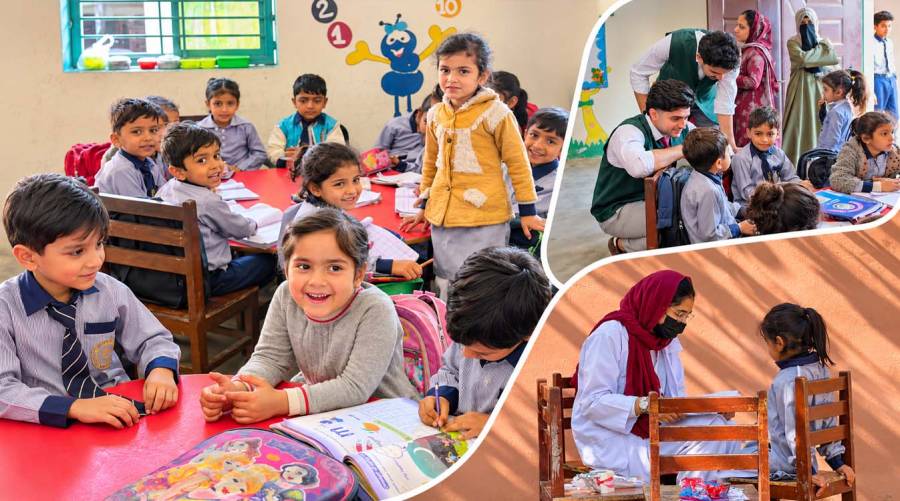
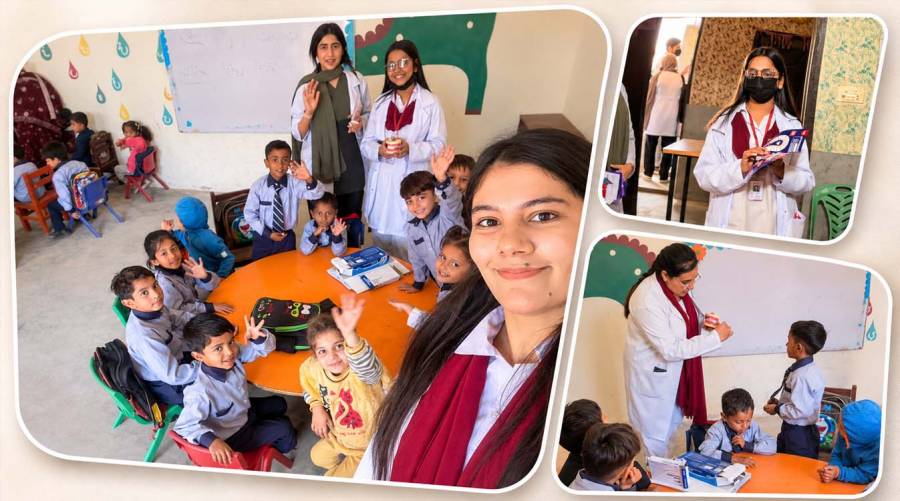
RAWALPINDI: Around 350 schoolchildren received dental screening and practical oral health education as students and faculty from Watim Dental College brought preventive dentistry into a school setting, helping children understand how everyday oral hygiene habits can protect their teeth and reduce the risk of dental disease.
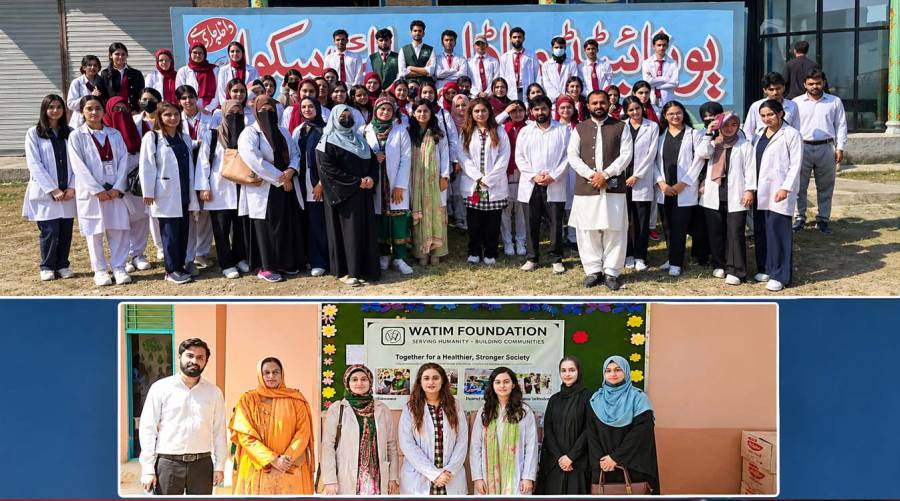
The Community Outreach Dental Camp and DMFT Screening Programme was organised by the college's Department of Preventive and Community Dentistry at United Model Public School, Niaz Foundation, as part of the academic activities of second-year Bachelor of Dental Surgery (BDS) students.

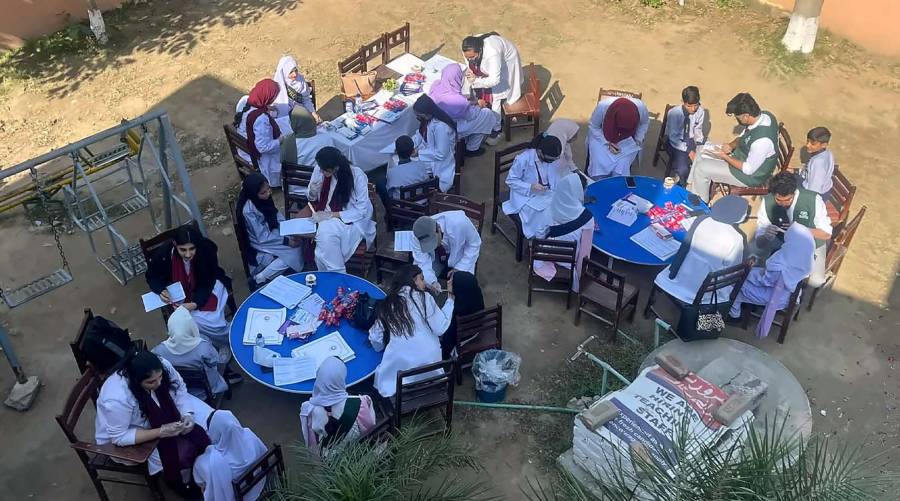
Under the supervision of faculty members and house officers from Watim Dental College and Hospital, the students assessed children's dental caries experience using the Decayed, Missing and Filled Teeth (DMFT) index, a recognised measure used in oral health assessments.
The initiative combined screening with education on proper toothbrushing, regular dental examinations and the importance of preventing oral diseases before they require more extensive treatment. Organisers also distributed oral hygiene kits and information about follow-up dental services to encourage children and their families to continue practising preventive care beyond the school visit.
For the participating BDS students, the programme provided an opportunity to apply their academic knowledge in a community environment while learning how to communicate oral health information to children.
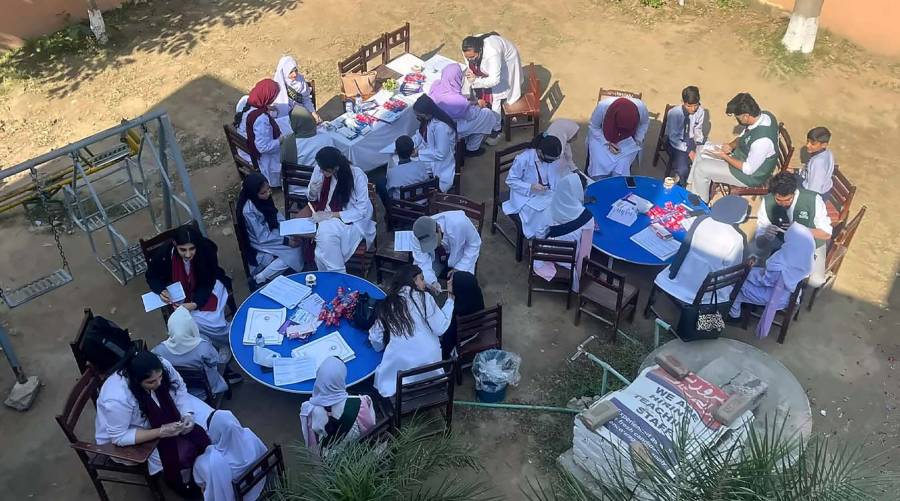
Screening 350 children for dental caries
The dental screening was a central component of the outreach programme, with approximately 350 schoolchildren assessed for their experience of tooth decay.
The DMFT index records the number of permanent teeth that are decayed, missing because of caries, or filled following treatment. A corresponding lowercase dmft index is used for primary teeth.
These measures are widely used in community dentistry and oral health research to assess the burden of dental caries and identify patterns of disease within populations.
For dental students, learning to conduct structured assessments is an important part of understanding how oral diseases affect people outside the clinical setting.
Working under professional supervision, the second-year BDS students gained experience in examining schoolchildren and applying principles of preventive and community dentistry.
The screenings also offered an opportunity to draw attention to dental problems that may otherwise go unnoticed until children begin experiencing pain, discomfort or difficulties eating.
However, the organisers did not provide a breakdown of the screening findings, including the number of children identified with active decay, the average DMFT score or the proportion requiring further treatment. The programme should therefore be understood as a community screening and educational initiative rather than a published epidemiological study.
The reported screening figure establishes the programme's reach, but not the prevalence of dental caries among the children examined.
Oral health education focuses on habits children can practise every day
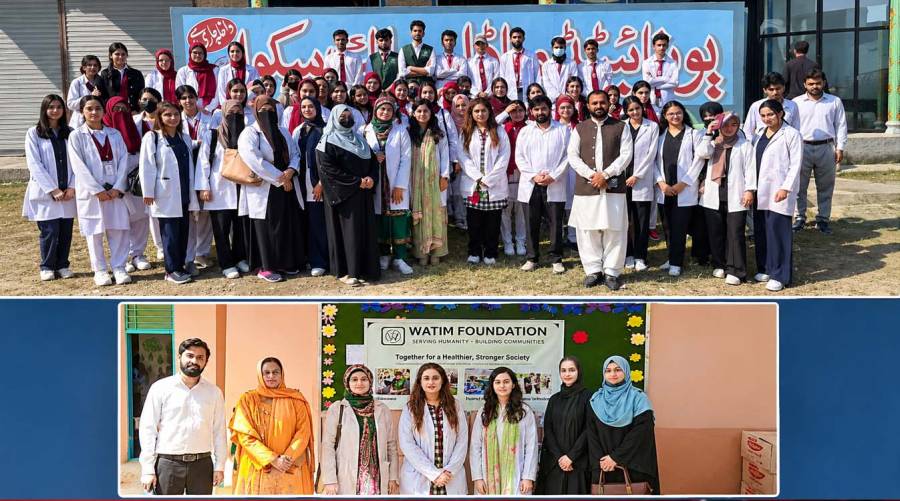
Alongside the dental examinations, the outreach team conducted oral health education activities designed to help children understand the importance of caring for their teeth.
The sessions covered proper toothbrushing techniques, how frequently teeth should be brushed, the value of maintaining good oral hygiene and the importance of regular dental check-ups.
Children were encouraged to adopt consistent oral care routines and seek professional attention when dental problems arise rather than allowing untreated conditions to progress.
The emphasis on prevention is particularly relevant during childhood, when oral hygiene habits are developing and early dental experiences can influence attitudes towards oral healthcare later in life.
Dental caries remains one of the most common preventable oral diseases worldwide. It can affect both primary and permanent teeth and, if left untreated, may lead to pain, infection, difficulty eating and reduced quality of life.
The World Health Organization (WHO), in updated global guidance issued in March 2026, emphasised greater access to preventive, non-invasive and minimally invasive dental care, particularly for populations facing barriers to treatment.
Regular toothbrushing with fluoride toothpaste, limiting frequent exposure to free sugars and obtaining timely professional dental care are among the important measures for preventing tooth decay.
By taking these messages into a school environment, the Watim Dental College team sought to make oral healthcare more accessible and understandable to children who may not routinely receive structured dental health education.
The programme also gave participating dental students practical experience in explaining preventive advice in straightforward language appropriate for a younger audience.
Oral hygiene kits and follow-up care information distributed
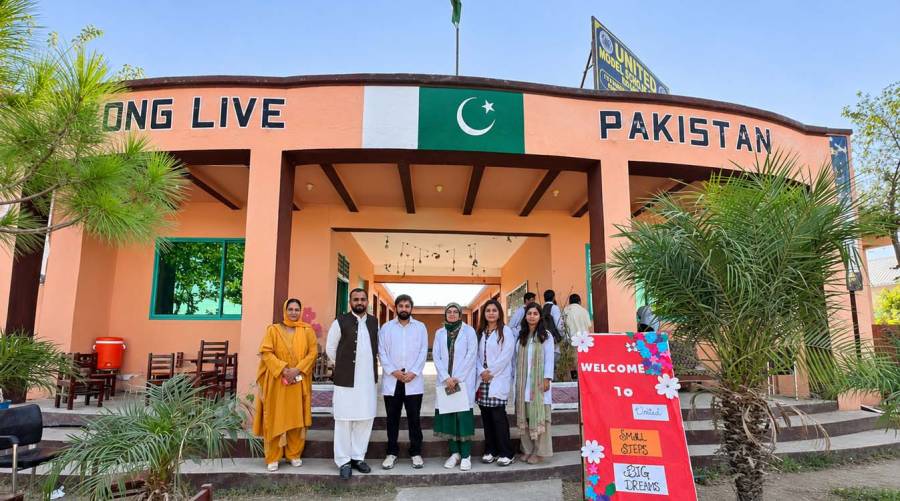
To reinforce the lessons delivered during the camp, organisers distributed Colgate oral hygiene kits among the schoolchildren.
The kits were intended to encourage children to practise appropriate oral hygiene at home and maintain the routines explained during the educational activities.
Providing practical oral care supplies alongside health education can help children put preventive messages into practice, although the long-term benefit depends on sustained use and support from families.
The outreach team also distributed informational brochures highlighting special dental service offers available on Tuesdays and Thursdays.
According to the organisers, the brochures included information about free dental consultations and services such as scaling and simple tooth extractions, alongside special discounts intended to encourage follow-up care.
The precise terms, eligibility and charges associated with individual services were not specified in the information provided to Dental News Pakistan.
The initiative sought to help families understand where additional dental care could be accessed if required.
Although screening can identify potential problems, children with untreated decay or other oral health concerns may still need a full clinical assessment and appropriate treatment.
The combination of screening, education, oral hygiene supplies and follow-up information was designed to encourage continued attention to oral health after the outreach team had left the school.
Community outreach provides practical training for future dentists
Beyond the immediate benefits for schoolchildren, the programme formed part of Watim Dental College's efforts to provide community-based learning opportunities for its second-year BDS students.
Preventive and community dentistry focuses not only on treating dental problems but also on understanding why oral diseases occur, identifying people who may be at risk and promoting measures that can prevent disease.
For students at an early stage of their professional education, direct interaction with communities offers experience that cannot be gained entirely through lectures or laboratory exercises.
It allows them to practise structured oral health assessments, develop communication skills, work as part of a supervised dental team and better understand the educational role of dental professionals.
Dr. Syeda Nadia Firdous, Assistant Professor and Head of the Department of Preventive and Community Dentistry at Watim Dental College, shared details of the outreach programme with Dental News Pakistan, highlighting its contribution to community oral health awareness and the practical training of BDS students.
The department's work reflects its broader academic focus on oral disease prevention, health promotion and community engagement.
Watim Dental College identifies school oral health programmes among the activities undertaken by its Department of Community and Preventive Dentistry, with the aim of bringing dental assessment and preventive advice to children outside conventional clinical settings.
The November 4 initiative allowed second-year students to experience these responsibilities directly, supported by faculty members and house officers who provided clinical guidance and supervision throughout the programme.
Taking preventive dentistry beyond the dental chair
School-based dental outreach can serve an important purpose in communities where routine preventive examinations may receive less attention than treatment sought after a problem develops.
By introducing children to dental screening and explaining the importance of oral hygiene, such activities can encourage greater awareness of tooth decay and help families recognise the value of timely professional care.
They can also strengthen the relationship between dental teaching institutions and the communities they serve.
For Watim Dental College, the programme brought together several aspects of dental education: clinical assessment, preventive health communication, supervised student learning and community service.
For the schoolchildren, it offered an introduction to oral healthcare centred on prevention rather than waiting for a dental problem to become painful.
The broader challenge is ensuring that awareness generated during a single visit leads to lasting oral hygiene habits and that children requiring further dental care can access appropriate follow-up services.
The screening of approximately 350 children demonstrated how a dental college can extend its educational role into the community, giving future dentists practical experience while helping schoolchildren take the first steps towards healthier teeth and better lifelong oral health.
Stay informed about dentistry making a difference beyond the clinic
From school dental camps and preventive oral healthcare to student training and community dentistry programmes, meaningful progress in oral health often begins with education and early intervention.
CLICK HERE TO FOLLOW Dental News Pakistan WhatsApp Channel for coverage of community dental initiatives, oral health awareness, developments in dental education and the professionals working to improve access to care across Pakistan.
Because the future of better oral health is shaped not only by treatments, but also by the knowledge and preventive habits we help communities develop today.